


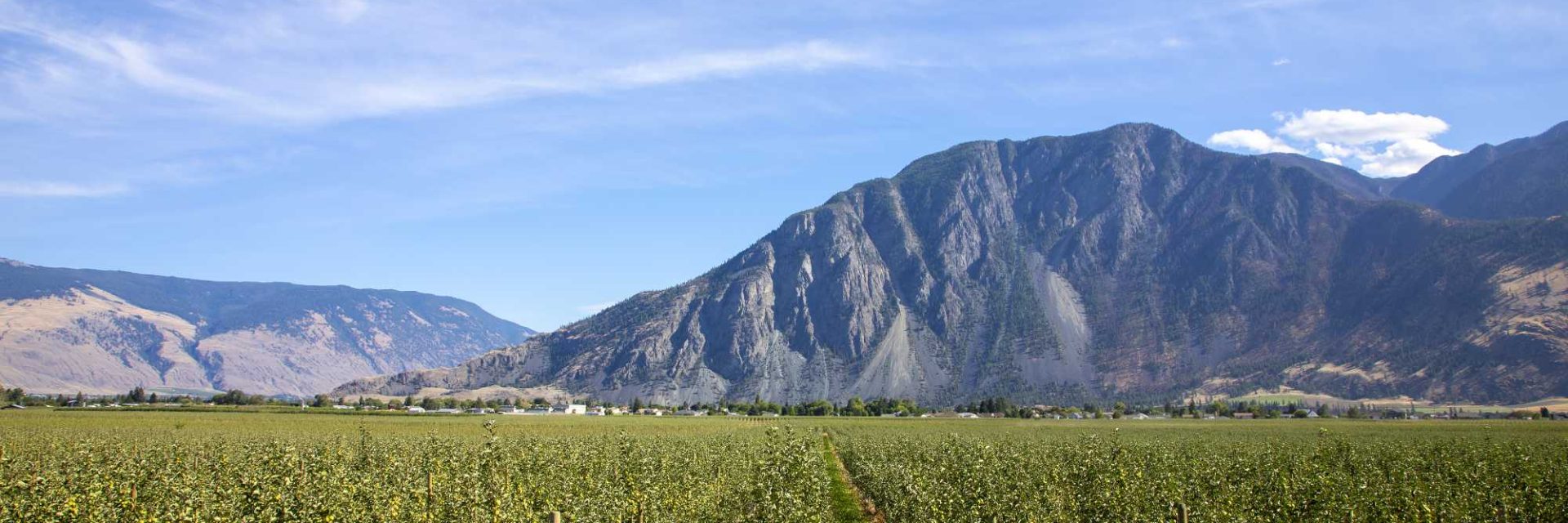
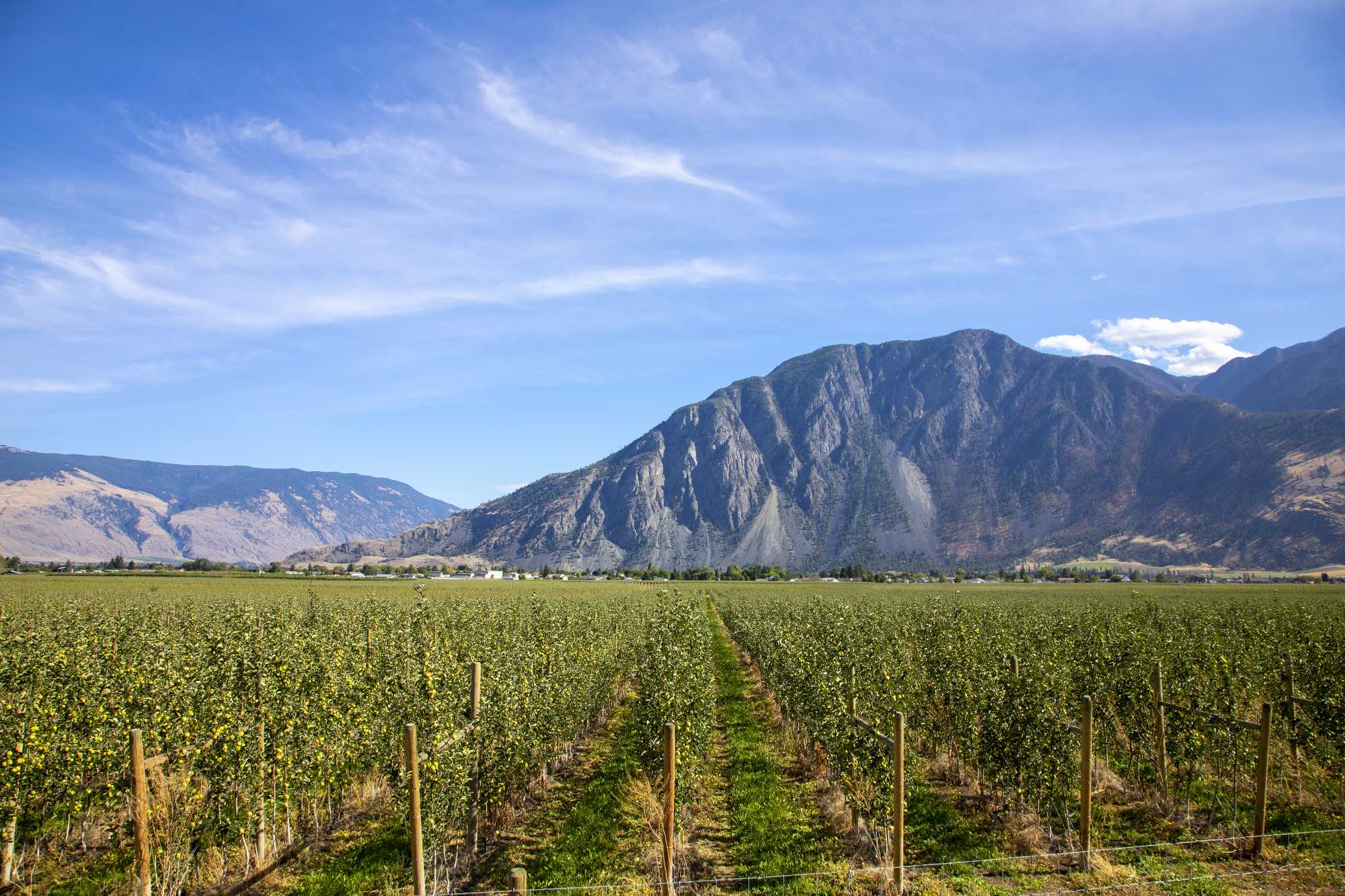
Agriculture in the Similkameen Valley Begins with the Land
Agriculture in the Similkameen Valley is not a trend or a backdrop. It is the foundation. Long before farm gates, tasting rooms, and roadside fruit stands, this valley was shaped by the Similkameen River, its rugged terrain, and the people who learned to work with both.
Today, farming here reflects generations of knowledge layered with modern innovation. It is rooted in place, shaped by sun, wind, and soil, and increasingly influenced by a changing climate that demands resilience and adaptation.
The Similkameen remains one of British Columbia’s most distinctive agricultural regions, raw, wind-swept, and sunbaked. Farming here has never been easy. It requires patience, creativity, and an intimate understanding of the land.
Indigenous Stewardship and the Agricultural History of the Similkameen Valley
Long before orchards, vineyards, and roadside fruit stands shaped the Similkameen’s agricultural identity, this valley sustained communities through a deep, reciprocal relationship with the land.
The Similkameen Valley is the traditional, ancestral, and unceded territory of the Similamix and Smelqmix Peoples, and is also connected to the unceded territories of the Syilx, Nlaka’pamux, and Secwépemc Peoples. Their relationship to this land continues today.
Seasonal cycles, land stewardship, and an understanding of local ecosystems have long shaped how food is grown and gathered here. Generations of Indigenous knowledge, rooted in seasonal cycles, land stewardship, and respect for place, form the foundation upon which
How Climate and Geography Shape Farming in the Similkameen Valley
The Similkameen’s geography defines it. This is a dryland valley carved by the Similkameen River, bordered by rolling grasslands, steep hillsides, and desert-like benches. Winds move steadily through the corridor, tempering summer heat and reducing pests, while long sun-filled days and cool nights help produce fruit with concentrated, distinctive flavour.
The climate is demanding but balanced: hot, sunbaked summers, crisp autumns, cold winters, and limited rainfall require careful water management and deep respect for the soil. Farming here has always meant paying attention to the river, to the wind, to the rhythms of the seasons.
The interplay of terrain, river, and climate shapes not only the crops that thrive here, but also the character of the people who grow them.
This land does not bend easily. It asks for patience. And in return, iit rewards those who learn how to listen to it.

A Valley of Many Stories: Upper and Lower Similkameen
Agriculture in the Similkameen Valley shifts as the land shifts.
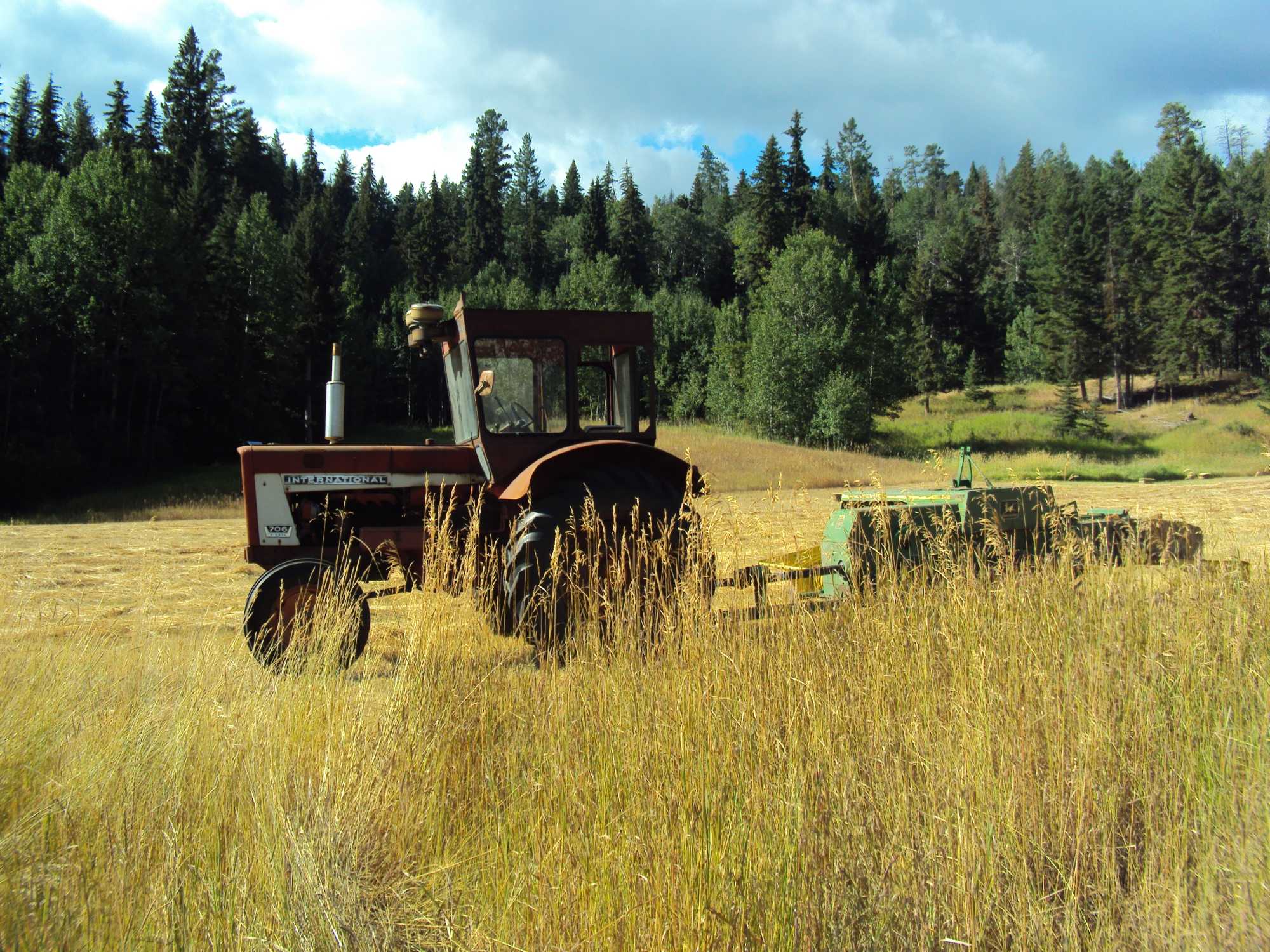
In the Upper Valley, around Princeton and beyond, ranching and livestock operations have shaped the landscape for generations. Cattle, forage, and working ranches continue to supply local and regional markets, forming a quieter but essential backbone of the valley’s food system.
Further south in the Lower Similkameen, in Keremeos, Cawston, and surrounding communities, orchards took root. Fruit stands lined Highway 3. Vineyards followed. Cideries and craft distilleries emerged more recently, building on an agricultural base that was already firmly established.
The valley has evolved in waves. Mid-century orchardists began selling directly to passing travellers. The 1970s and 80s saw the emergence of organic farming schools and chemical-free experimentation. In time, wine and craft beverage producers grew from that same soil-first mindset.
Today, both Upper and Lower Valley agriculture continue to adapt. Ranchers maintain vital food production. Orchardists refine their craft. Growers and vintners expand farm-to-table experiences while navigating new economic and environmental realities.
The valley’s agricultural story is anything but uniform, shaped by the mix of climate, terrain, culture, and innovation.
The Origins of Organic Farming in the Similkameen Valley
Modern agriculture in the Similkameen Valley has long been influenced by growers willing to work differently. Decades before organic certification became widely recognized, local farmers were already prioritizing soil health, biodiversity, and long-term stewardship.
In the 1970s, the valley became home to an early organic farming school, drawing growers interested in working outside large-scale industrial models and closer to the rhythms of the land.
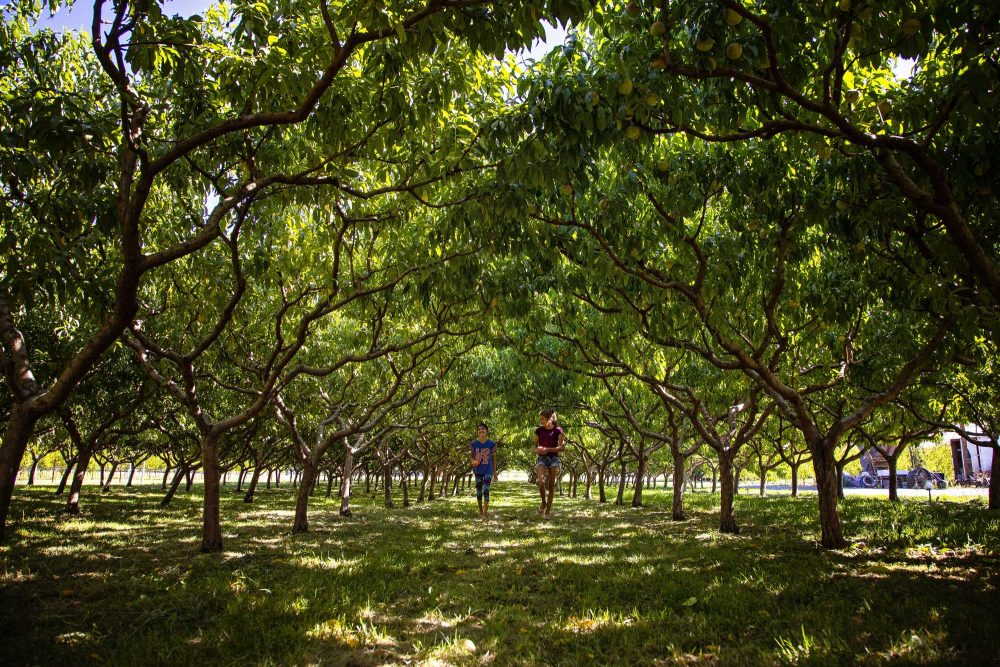
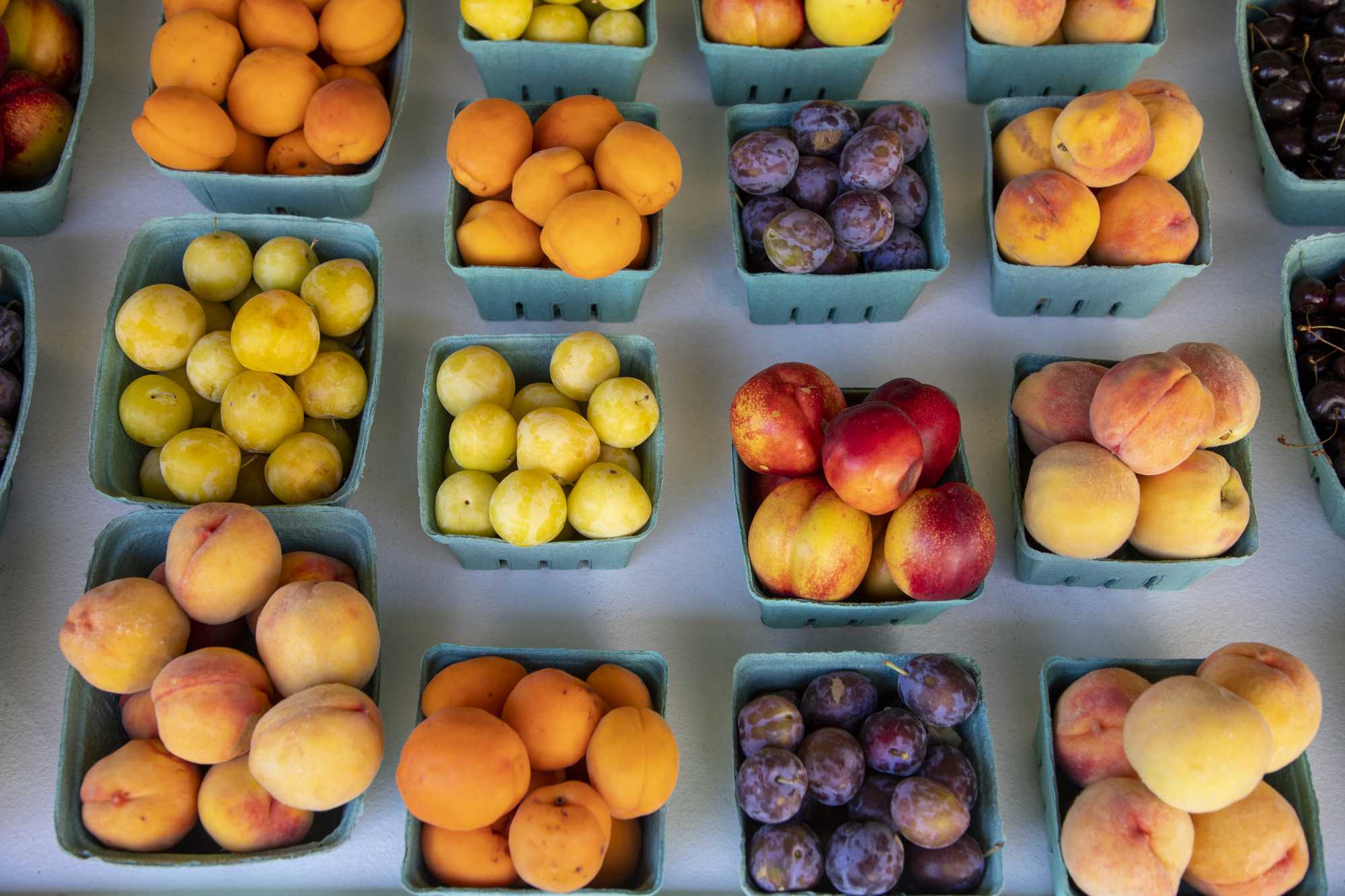
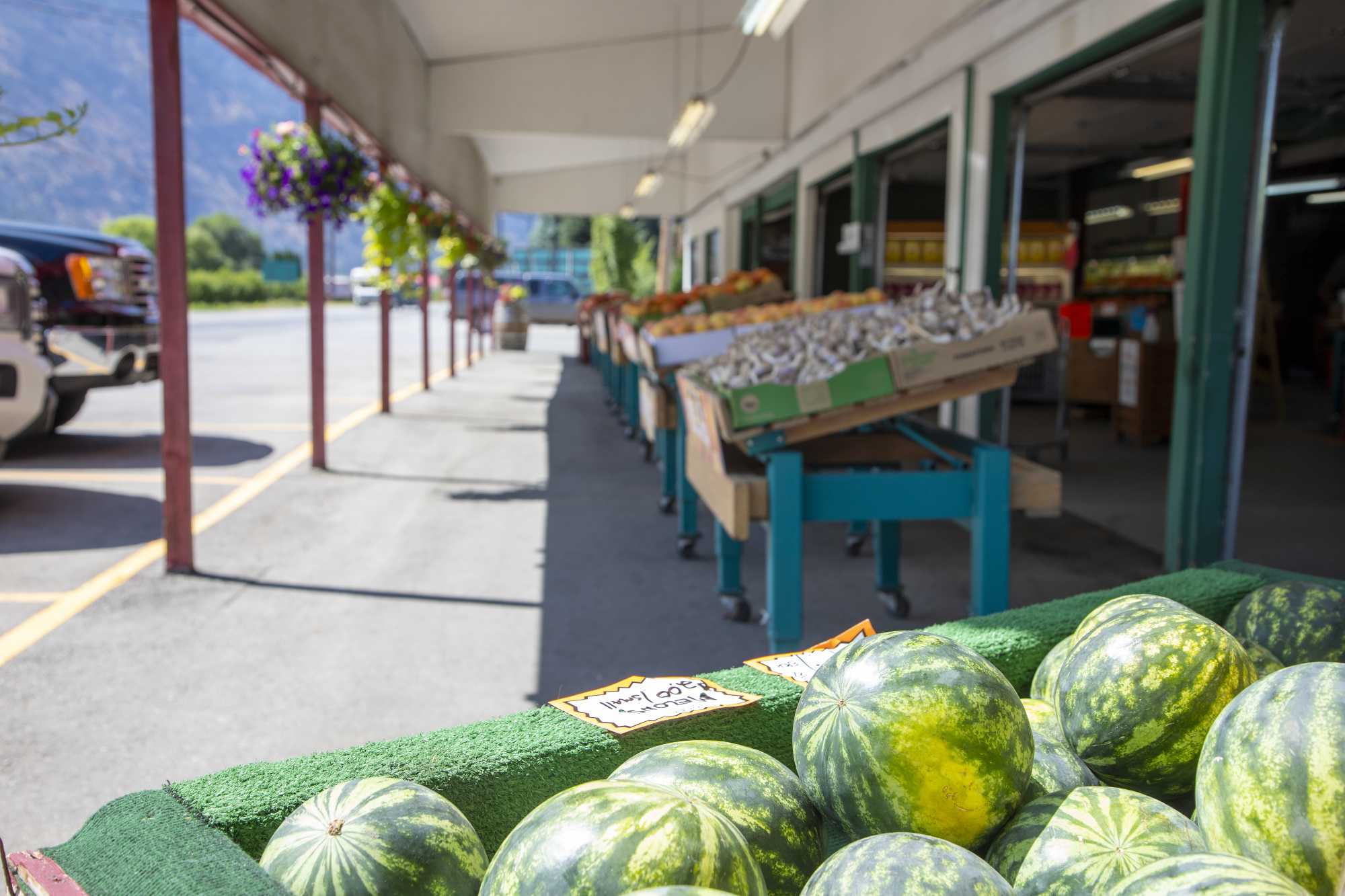
That mindset was built on an even earlier tradition of direct connection between farmers and the community. In the mid-20th century, Similkameen orchardists, particularly around Keremeos, were already forging direct relationships with the people who enjoyed their harvests. As car travel increased after the Second World War, farmers began selling surplus fruit along the Crowsnest Highway, setting up simple wooden stands to share fresh peaches, apples, cherries, and melons with passing travellers.
Today, more than 20 farm stands and farm gates line the highway during harvest season, earning Keremeos its well-known reputation as Canada’s Fruit Stand Capital.
Growing the Future in Canada’s Organic Farming Capital
Cawston, a community tucked along the Similkameen River, sits at the centre of the valley’s organic story. Nearly 40% of its farms are certified organic, earning the valley recognition as Canada’s Organic Farming Capital. Here, farming goes beyond producing food; it’s about nurturing soil, water, and community.
The region’s climate and soils play their part. Long hot days, cool nights, and steady winds support fruit and vegetable production across orchards and vineyards. From peppers and carrots to cherries and grapes, crops develop concentrated flavour thanks to this balance of sun, soil, and stewardship.
Organic agriculture here is not new. By the 1980s, local families were experimenting with chemical-free methods, building on earlier soil-first thinking. Organizations such as the Similkameen Okanagan Organic Producers Association (SOOPA) helped advance organic certification efforts in the region, reinforcing a culture of stewardship that continues today.
This pioneering spirit continues today, blending respect for the land with practical approaches to sustainability.
Multi-Generational Farms in the Similkameen Valley
Farming in the Similkameen Valley is often generational, but it has never stood still. Families adapt to shifting markets, changing climates, and new opportunities, finding ways to remain viable while staying rooted in the land.
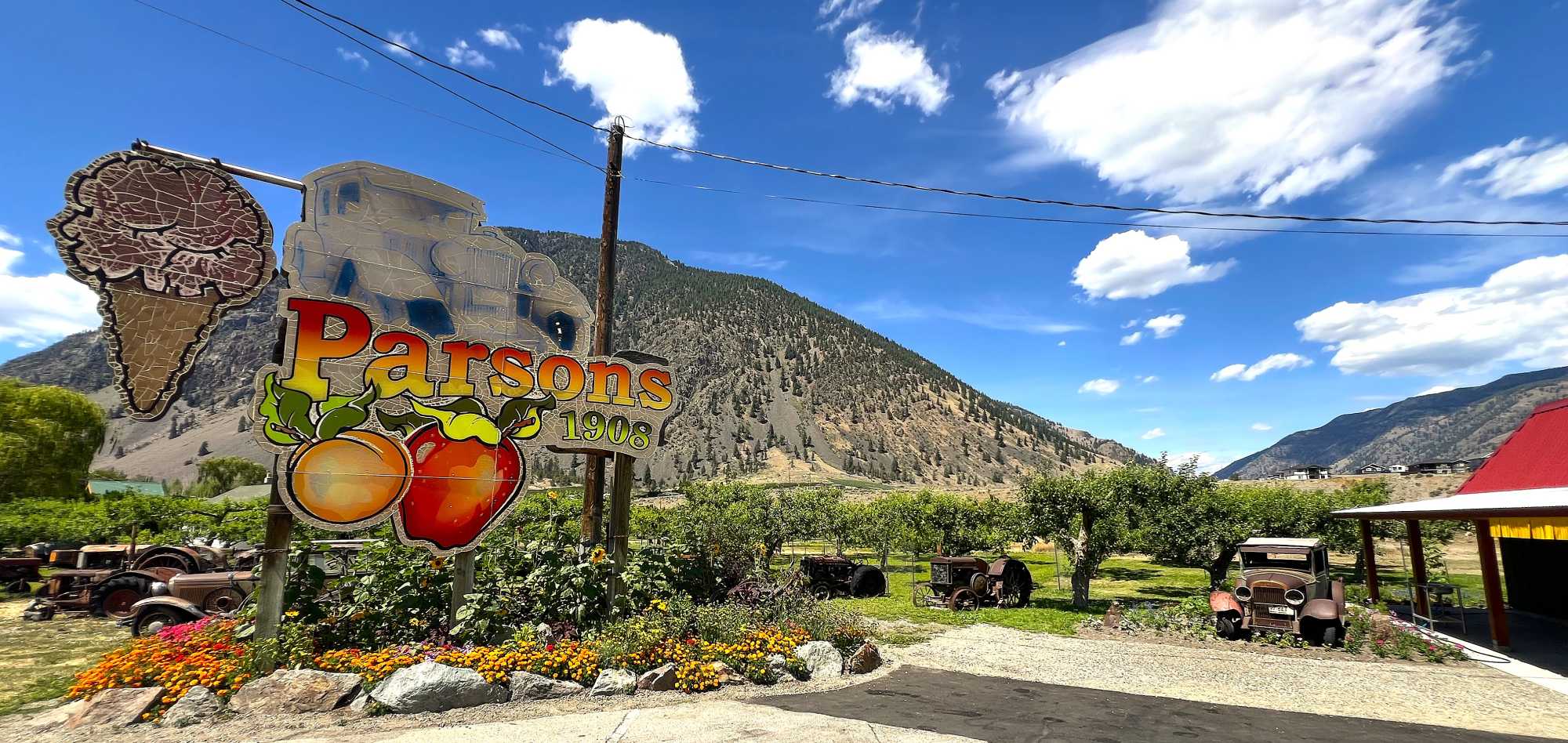
The Parsons Family Farm, home to one of the valley’s long-standing fruit stands, reflects that continuity. Still family-operated, it represents the enduring relationship between growers and the travellers who stop along Highway 3 each harvest season. Farms like this are not just producers; they are community landmarks and living threads in the valley’s agricultural fabric.
Other multi-generational families continue to shape the region’s organic identity. The Harker Multi-generational families also shaped the valley’s organic story, having farmed here since the early 1900s. Initiatives like the BC School Fruit & Vegetable Nutritional Program and the Farmers Supporting Families initiative, founded by Kevin and Annamarie Klippenstein of Klippers Organics, provide CSA shares at no cost to families and individuals in need.
These farms may differ in scale and focus, but they share a common reality: agriculture here requires adaptability. Conservation, community relationships, and practical sustainability are not branding exercises; they are conditions for survival in a dryland valley shaped by wind, river, and change.

Climate Change and Farming Adaptation in the Similkameen Valley
In recent years, farmers in the Similkameen Valley have navigated significant climate pressures. Heat domes, flooding, wildfire smoke, and extreme weather events have affected crops, infrastructure and caused interruptions to their seasonal rhythms.
In response, many growers are adapting. Some are reconsidering varietals better suited to shifting conditions. Others are investing in water efficiency, adjusting planting and harvest timelines, or diversifying their operations to remain viable in an increasingly unpredictable climate.
Adaptation has always been part of farming here. In a dryland valley shaped by wind, river, and temperature swings, resilience is not a new concept; it is part of the agricultural mindset. What is changing is the scale and frequency of the challenges, and the pace at which farmers must respond.
A New Direction: From Production to Farm Tourism
As agriculture evolves in the Similkameen Valley, so does the way people engage with it. The Similkameen is increasingly inviting visitors to understand farming not as a product, but as a process.
Experiences now extend beyond roadside stops. Travellers can:
- Visit long-standing fruit stands and meet the families behind them
- Explore wineries and cideries rooted in the valley’s agricultural tradition
- Source local meat and provisions, including fresh cuts from Randalls Craft Butcher in Cawston
- Follow curated routes such as the Similkameen Valley Farm Trail and Sip the Similkameen, which connect individual stops into a broader story of land and livelihood
Dining at places like Row Fourteen, where seasonal menus reflect regional ingredients, or spending time at farm-based tasting rooms, offers a deeper understanding of how food and beverage production remains connected to the soil, climate, and people who steward it.
Agriculture here is not staged for visitors; it is ongoing, working, and lived in year-round. What travellers experience is simply a window into that reality.
Indigenous Food Sovereignty and Community Growing
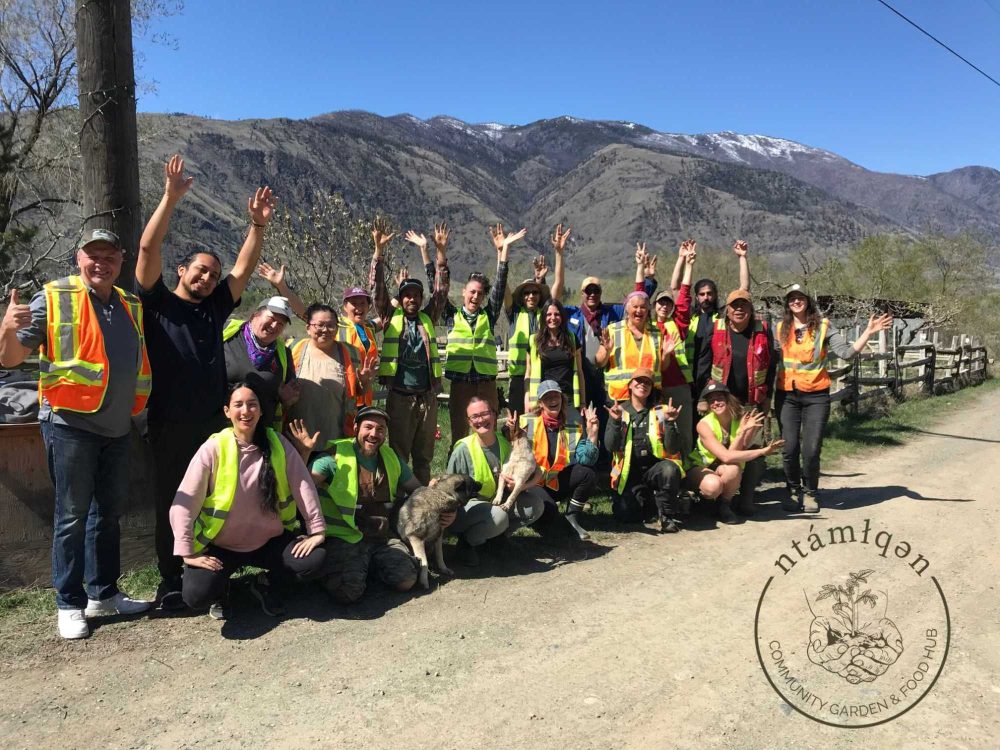
One of the newest chapters in the Similkameen Valley’s agricultural story is unfolding at ntámłqən Community Garden & Food Hub, located on the Sməlqmix (Similkameen) community land of the Lower Similkameen Indian Band (LSIB).
Set across 7.5 acres of revitalized farmland, the garden is being developed as a community-led space focused on regenerative farming, education, and food security. Guided by Dixon Terbasket, an Elder, farmer, and knowledge keeper, the project builds on generations of agricultural knowledge tied to this land while creating new opportunities for community learning and collaboration.
Visitors are welcome to stop by during the growing season to see the gardens in action, learn about Indigenous food systems, and experience a different side of the valley’s agricultural culture. Workshops, community events, and hands-on growing opportunities are helping reconnect people with the land while supporting a broader vision of Indigenous Food Sovereignty.
As the project continues to expand, with plans for increased food production, learning spaces, and a native plant nursery, the ntámłqən Community Garden is becoming an important gathering place where agriculture, culture, and community come together.

Wine, Agriculture, and the Broader Valley
Wine plays a visible role in the Similkameen Valley’s agricultural identity, but it remains one part of a broader farming landscape. The valley’s vineyards grew from the same soil-first mindset that has guided its farms for generations, emphasizing care, innovation, and adaptability. The LSIB and USIB provide historical context for this evolution, while families like the Corcelettes have helped define how wine fits into the broader agricultural ecosystem.
The growth of the wine industry reflects the valley’s willingness to experiment and adapt. Families such as the Corcelettes were among those who helped establish wine as a viable crop in a region already grounded in fruit production. At the same time, the valley’s broader agricultural history, including its Indigenous stewardship and early organic movement, continues to provide context for how wine fits into the land today.
In the Similkameen, agriculture remains the foundation. Orchards, vegetable fields, ranchlands, and vineyards operate within the same landscape and under the same environmental realities. Wine may draw visitors, but it grows from the same soil, water systems, and generational knowledge that sustain the valley as a whole.
Ranching and Food Production Beyond Tourism
Agriculture in the Similkameen Valley extends beyond the areas most visitors encounter. In the Upper Valley, around Princeton and surrounding communities, ranching and farming remain central to the local economy, with operations such as Copper Creek Ranch and Starlight Farms contributing to regional food production without a tourism focus.
These farms may not operate tasting rooms or roadside stands, but they are part of the same agricultural system that shapes the valley’s identity. Food production here is not built around visitation; it is a year-round reality, rooted in land stewardship and local livelihood.
Tourism offers a window into that world, but it does not define its spirit. You’ll find the people who live in our eclectic small towns are friendly and hospitable, with a passion for what they do.

Looking Ahead: The Future of Agriculture and Farming in the Similkameen
The future of agriculture in the Similkameen Valley will continue to be shaped by adaptation. As climate patterns shift and markets evolve, farmers are balancing innovation with tradition, refining long-standing practices while exploring new approaches that support long-term viability.
Training new growers, improving water stewardship, experimenting with crop selection, and strengthening local supply chains are all part of that ongoing work. The valley’s agricultural community is not static; it responds to change with practical solutions rooted in experience.
What remains constant is the foundation: soil, river, climate, and the people who work within those realities year after year.
Experiences
Agriculture in the Similkameen Valley is best understood over time — and on the ground. If you’re ready to explore further, these routes and stories build on the foundation you’ve just read:
Each is a chapter of the same narrative, one shaped by land, resilience, and people who continue to farm with intention.
